Your headshot isn't working. Let's diagnose why.
Harsh lighting, unflattering angles, or unclear brand message—these failures aren't accidents. They're the result of specific studio decisions made before you ever stepped in front of the camera. We identify the exact decision that will change it. Professional headshots demand precision in three areas: how light shapes your face, where the camera sits relative to your body, and whether your presence communicates your actual role. When one fails, the entire portrait fails. We map each failure to its root cause, then show you the studio adjustment that transforms the outcome.
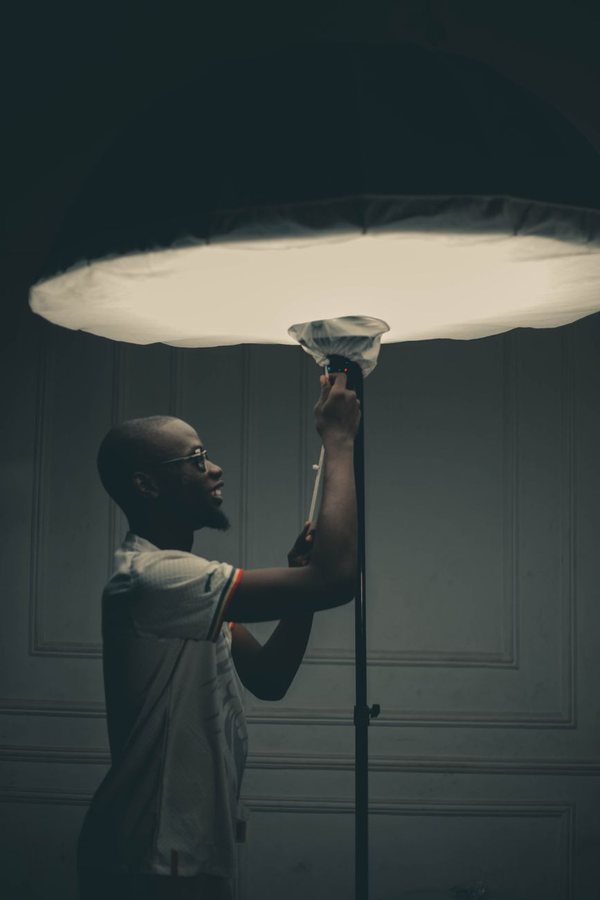
What's actually failing?
Three common portrait breakdowns—and the studio decision that fixes each one. When individuals and corporate teams struggle with mediocre headshots, the problem is rarely the subject. It's the session setup. Unclear brand clarity emerges from misaligned lighting direction. Unflattering angles come from camera height and distance miscalculation. Harsh shadows result from key light placement and diffusion choice. Each issue has a name, a cause, and a documented fix.
- Flat, featureless face Side-key lighting at 45° with diffusion softens shadows and reveals dimension without drama. This single studio decision restores facial structure.
- Unflattering proportions Camera height at eye level or slightly above, combined with 8–10 feet distance, neutralizes distortion and creates professional presence.
- Unclear professional identity Neutral background paired with intentional posture—shoulders back, chin slightly forward—communicates confidence and role clarity in a single frame.
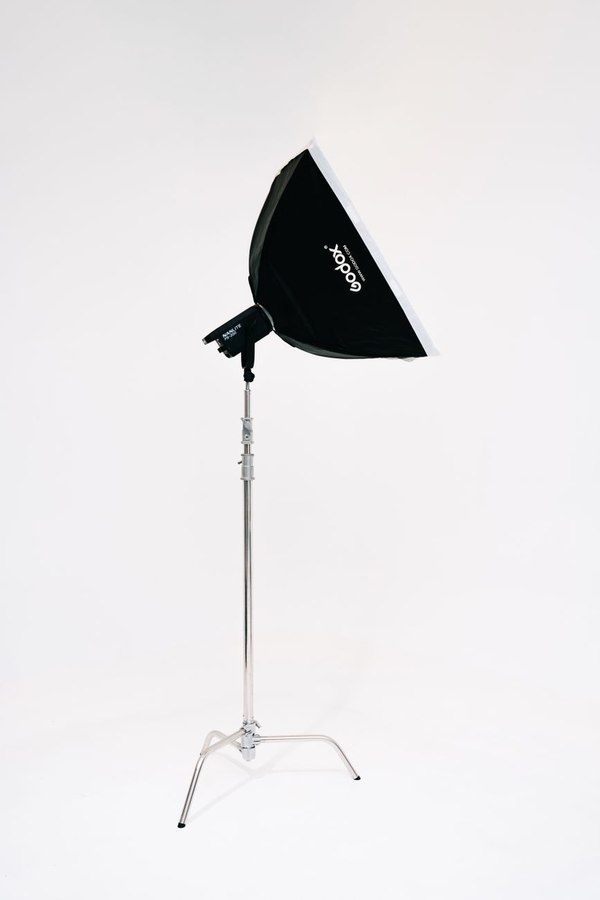
Lighting setup: Key light 45° from subject, 6 feet distance, with 5-foot diffusion panel. Fill light at 1:2 ratio.
How we see transformation.
Each before-and-after reveals the single studio decision that changed the outcome. No exaggeration. Just craft. This case study shows a corporate professional whose initial session used overhead fluorescent light and a distance of 4 feet—both common mistakes that flatten features and distort proportion.
The fix: we moved the key light to 45° camera-left, added a 5-foot diffusion panel, stepped back to 9 feet, and adjusted camera height to eye level. The result is a portrait where facial structure reads clearly, posture communicates authority, and the background supports rather than competes. One session. Three studio decisions. Complete transformation.
Documented studio decisions.
Three transformations. Each one tied to a specific lighting setup, background choice, or pose adjustment. We don't claim magic—we document the craft.
Decision: Moved key light from overhead to 45° side position. Result: facial dimension restored, shadows controlled.
Decision: Increased camera distance from 4 feet to 9 feet, adjusted height to eye level. Result: proportions normalized, posture reads clearly.
Decision: Switched to neutral background, adjusted posture with shoulders back. Result: subject presence strengthened, brand clarity emerges.
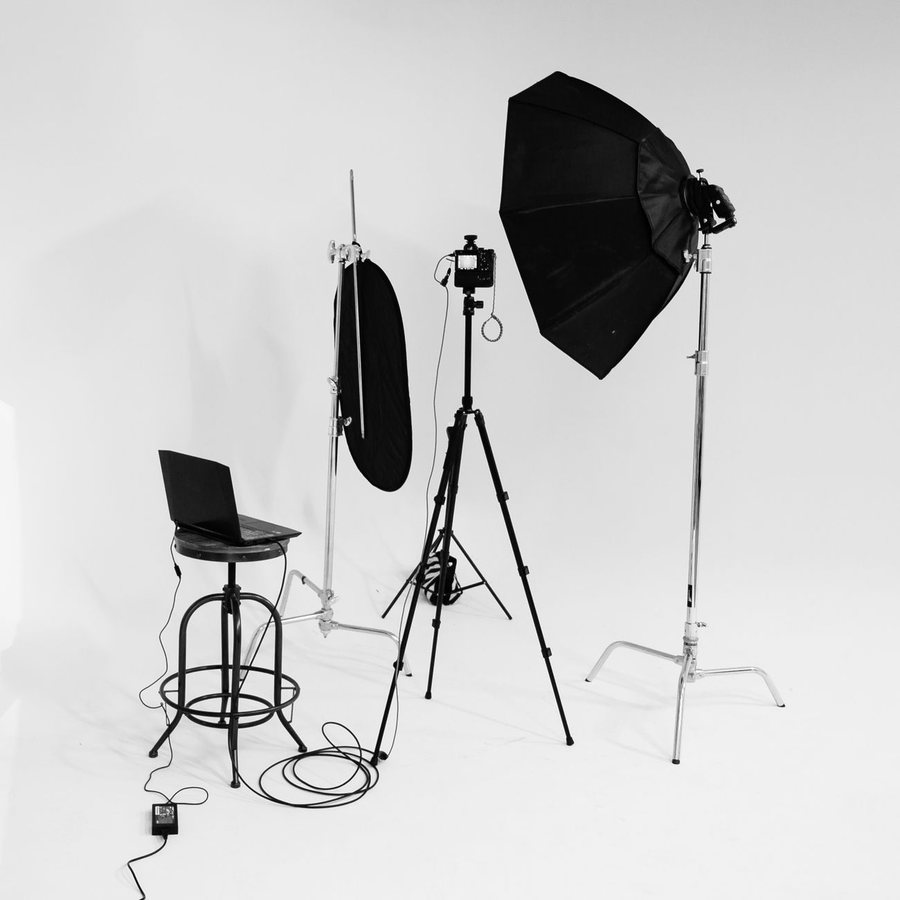
Studio foundation.
Ready to fix your portrait approach?
Tell us what's not working. We'll map your path to clarity. Whether you're struggling with a mediocre headshot from a previous session or preparing for your first professional portrait, the diagnostic process is the same: we listen, we assess, we prescribe.
Send us a message with your current headshot concern, and we'll respond within 24 hours with a preliminary diagnosis and next steps.